Starting with model trains can feel overwhelming at first, especially when you are completely new to the hobby. This page is written for beginners and explains the decisions you will face, what to start with, and how to move forward over time. You do not need prior experience, and you do not need to do everything at once. Model railroading is a hobby that grows gradually. Many experienced hobbyists began with a single train running on a simple track. The goal at the beginning is to keep things manageable, learn how the basics work, and enjoy the process.
Before purchasing anything, take some time to think about what attracts you to model trains. Some people mainly enjoy watching trains run, others like building scenery and structures, and some prefer planning realistic operations. Your interests may change as you gain experience, and that is completely normal. At this early stage, it is best to focus on learning how trains operate rather than planning a complex or permanent layout.
One of the most important early decisions is choosing a scale. Scale
determines the physical size of the trains, how much space they
require, and how detailed they can be. Because scale is such an
important topic, it is explained in detail on a separate page.
Please read the “Scales” page before continuing. Once you have
chosen a scale, it is strongly recommended to stay with it so that
all your equipment remains compatible as your layout grows.
After choosing a scale, the next major decision is how you want to
control your trains. The two main options are analog control and
digital control.
Analog control, often called DC, is the traditional
method. Power is supplied directly to the track, and changing the
voltage controls the speed and direction of the train. On most analog
layouts, the entire track controls one train at a time unless the
layout is divided into electrical sections. Analog systems are
simple, reliable, and usually less expensive, making them a good
choice for beginners who want to learn the fundamentals.
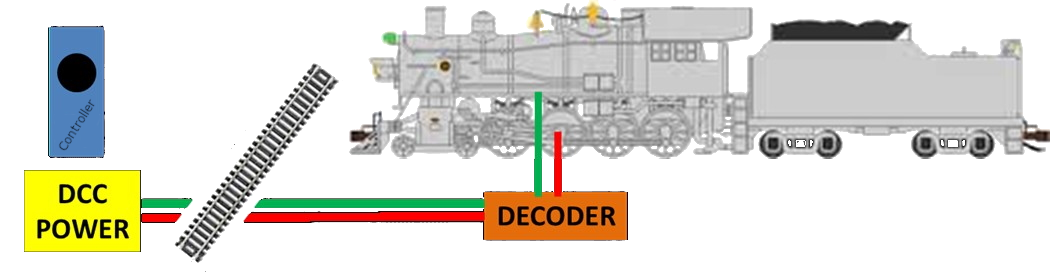
Digital
control, commonly referred to as DCC, sends digital commands through
the track to each locomotive. This allows multiple trains to run
independently on the same track, with separate control over speed,
direction, lights, and sound. Digital systems provide greater
flexibility and realism but are more complex and usually cost more.
Many beginners start with analog control and move to digital later,
while others choose digital from the beginning to avoid upgrading
later. Both approaches are valid, and the best choice depends on your
budget and long-term goals.
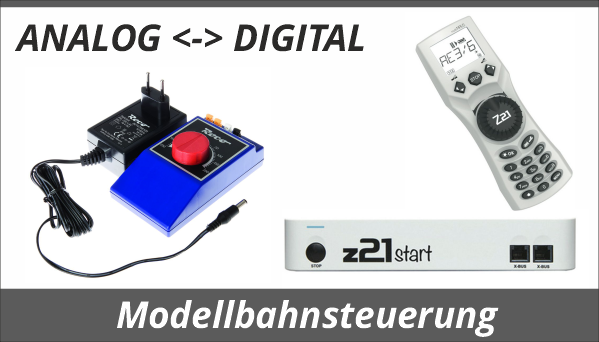
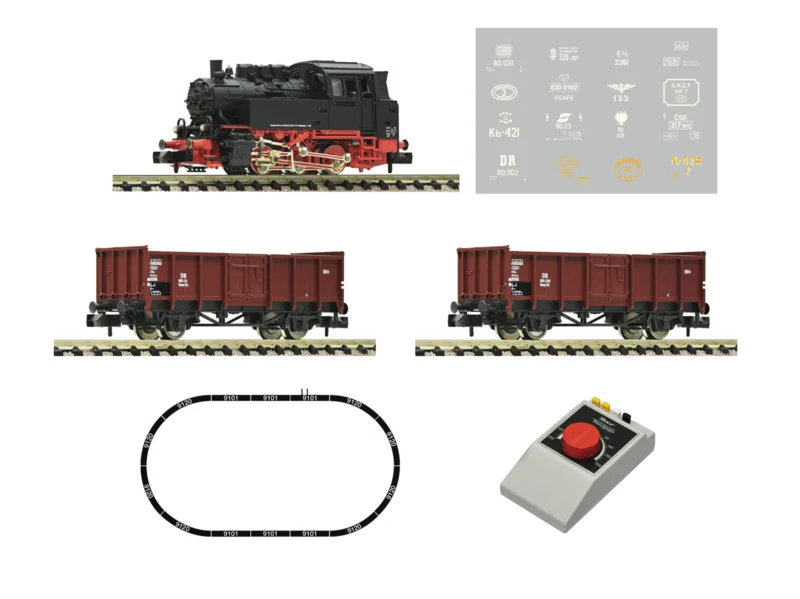
For most beginners, a complete starter train set is the easiest and safest way to begin. Starter sets are designed to work together and reduce the risk of compatibility problems. A typical set includes a locomotive, several cars, track, and a power supply or controller. Digital starter sets include a digital controller instead. Starting with a set allows you to focus on learning and enjoying the hobby rather than troubleshooting equipment.
Your first layout does not need to be large, permanent, or detailed.
Many beginners start with a temporary setup on a table, shelf, or
even the floor. What matters most is that the surface is flat,
stable, and easy to access. Simple track arrangements are ideal at
this stage. A basic loop or oval allows continuous running and helps
you learn how trains receive power, how they behave on curves, and
how to solve small issues when they occur.
This page focuses on
getting started. Detailed guidance on building a proper layout,
choosing materials, and constructing scenery is covered on a
separate page called “Layout building”, which you can explore once
you are ready to move beyond a basic setup.
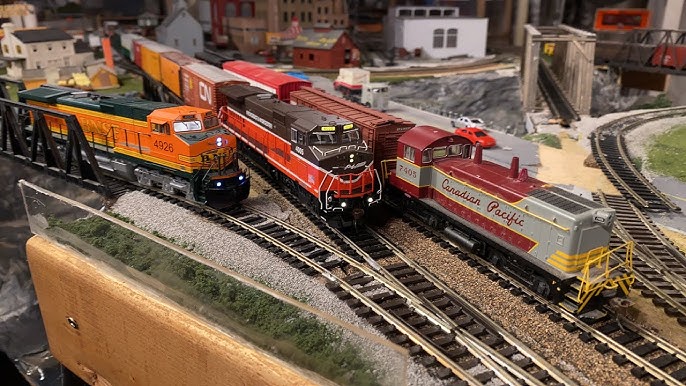
Once your train is running, spend time simply operating it. Learn how smoothly it starts and stops, how fast it should realistically run, and how it behaves through curves and switches. Derailments or electrical issues are common at this stage and should be expected. Each small problem you solve helps you understand the hobby better.
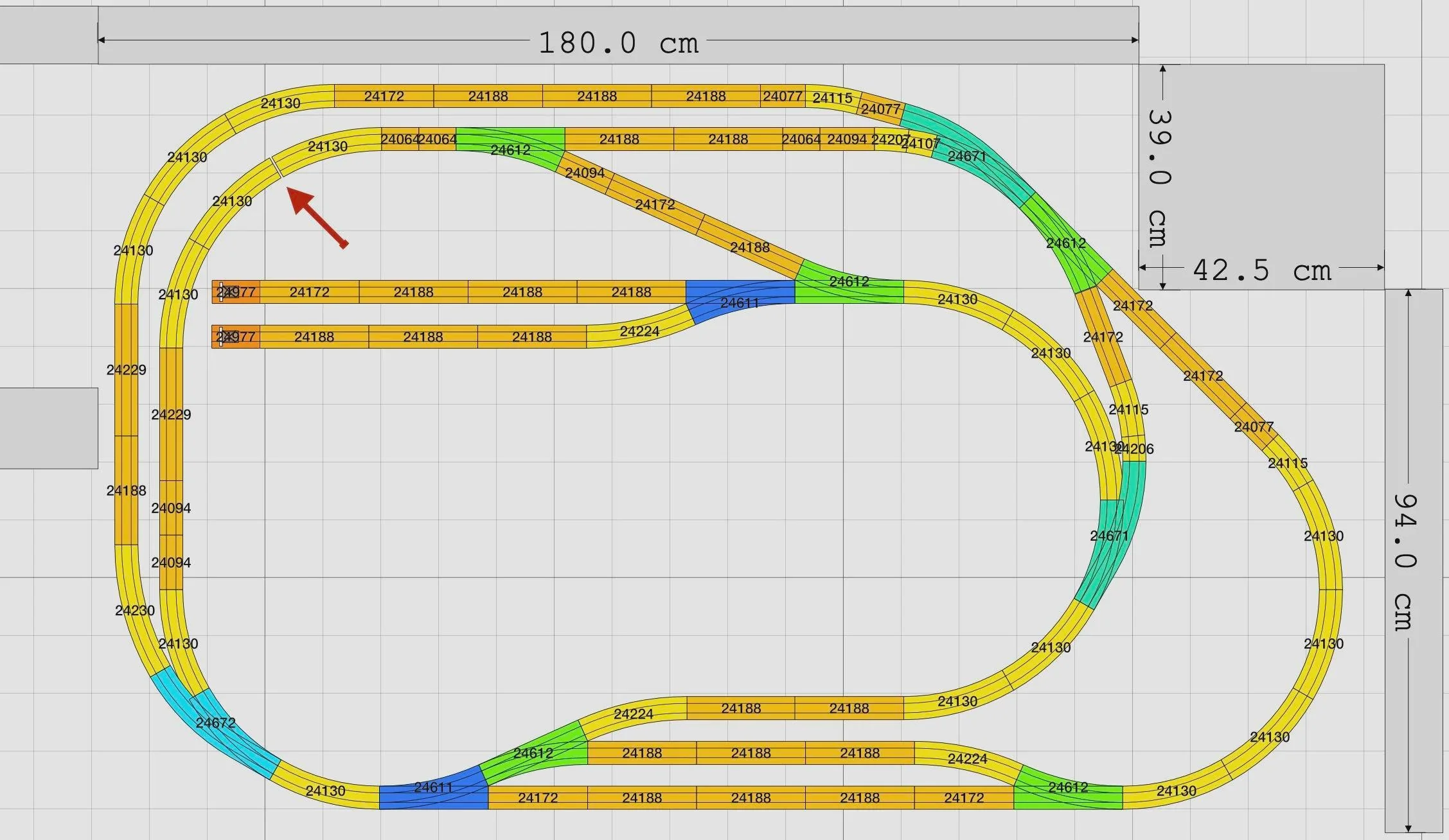
After gaining some experience, you may want to expand your layout. This is the point where planning becomes important. Expanding without a plan can lead to overcrowded track, poor operation, and frustration. Before adding track, consider how much space you truly have and whether your layout will remain temporary or become permanent. Even a simple sketch can help you visualize ideas and avoid mistakes. Many hobbyists use layout planning software to design their layouts digitally. These programs allow you to test track plans, check space requirements, and experiment before committing to a physical build. Planning software becomes especially useful as layouts grow more complex.
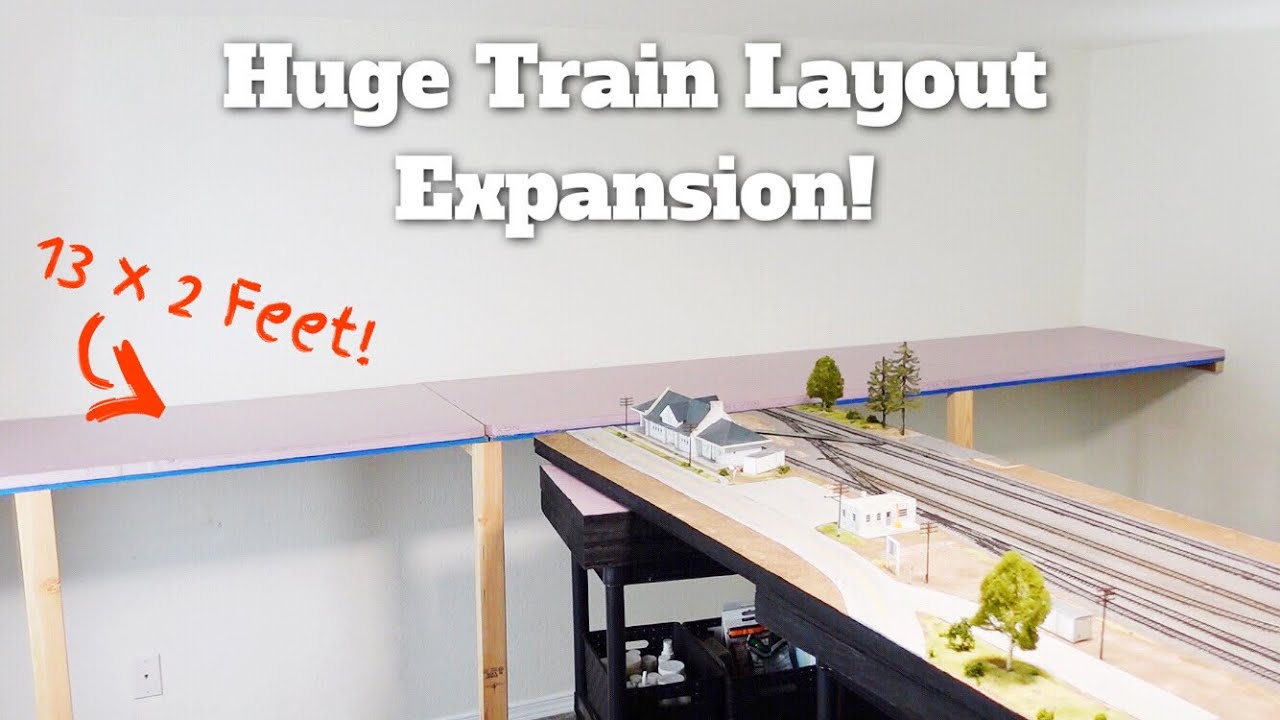
As your layout develops, you may want to add more trains, sidings, structures, or scenery. These additions are best made slowly. Adding too much at once can make it harder to identify problems and can reduce enjoyment. Model railroading is a long-term hobby, and many layouts are improved gradually over years. There is no deadline and no final version.
Model railroading rewards patience and curiosity. Every experienced hobbyist started as a beginner, and mistakes are part of learning. Start small, learn the basics, and expand only when you feel comfortable. If you are enjoying the process, you are on the right track.