Model railroading offers a wide range of scales that vary from large and impressive to incredibly tiny. The common scales include G scale, O scale, HO scale, TT scale, N scale, and Z scale. Beyond these mainstream options, there are also more obscure choices such as T scale, which is one of the smallest ever produced, as well as S scale, OO scale, Gn15, On30, OO9, HOn3, and even 1:35 trains popular among military modelers. Each of these scales has developed its own community and purpose, providing hobbyists with options that fit different spaces, budgets, and levels of detail.
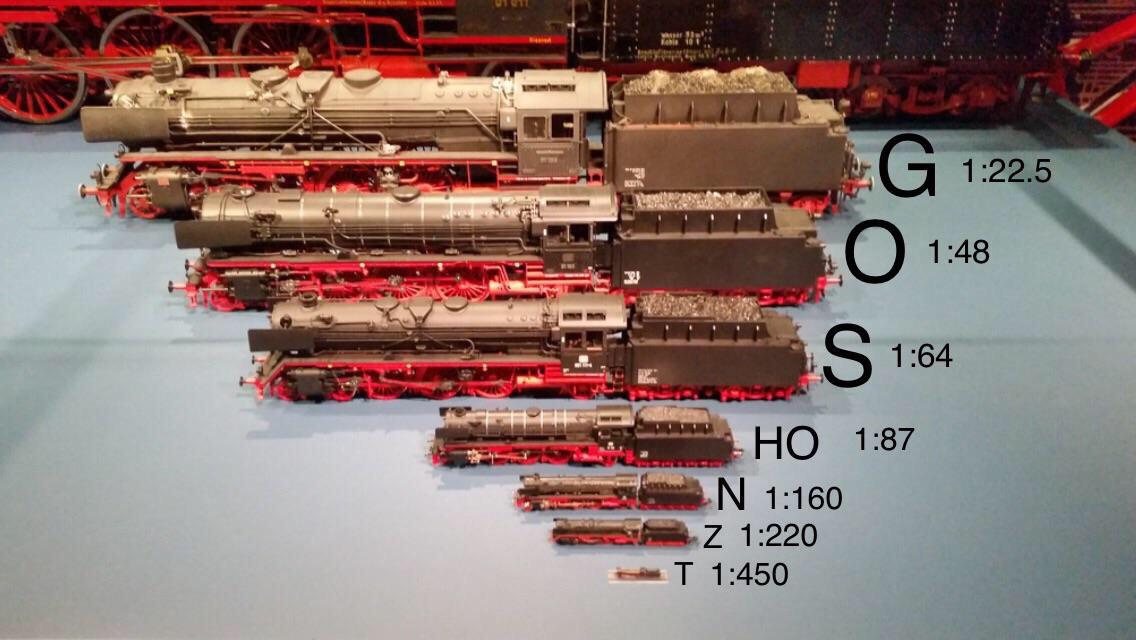
Scale refers to the size ratio between a model and the real-life train it represents, such as 1:87 for HO or 1:160 for N scale. Gauge, on the other hand, is the physical distance between the rails on the track. While scale determines how large the model is, gauge determines the spacing of the rails a locomotive will run on. A single scale can use multiple gauges, such as HO standard gauge or HOn3 narrow gauge, and different scales can sometimes share the same track gauge. Understanding the difference prevents confusion when choosing trains and track systems.
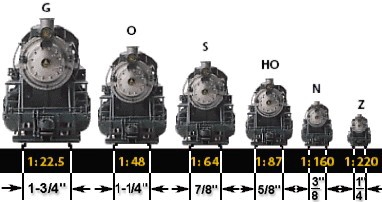
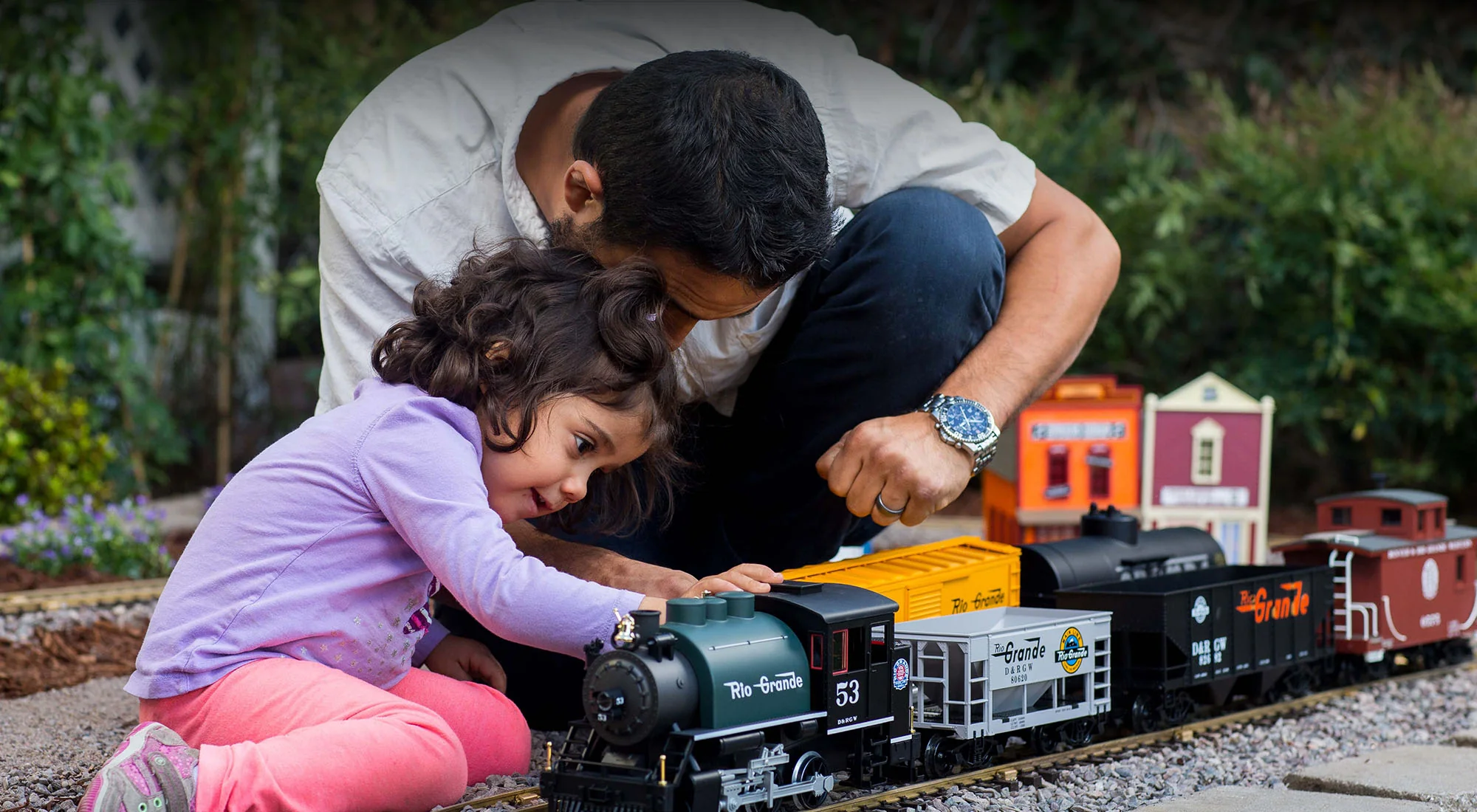
G scale models are large, sturdy, and ideal for outdoor layouts such as garden railways. Their size allows for excellent detail and smooth operation, and they are easy to handle and modify, making them appealing for both beginners and experienced hobbyists. However, this scale requires substantial space, making indoor layouts more challenging, and the larger size often results in higher costs for both track and rolling stock.
O scale is known for its strong visual presence and impressive detailing, giving layouts a realistic and immersive feel. The models generally run very smoothly due to their weight and size. Despite its advantages, O scale demands a considerable amount of space, limiting layout possibilities for those with smaller rooms. Additionally, the price of locomotives and rolling stock can be significantly higher compared to smaller scales, and in some regions, model availability can be limited.
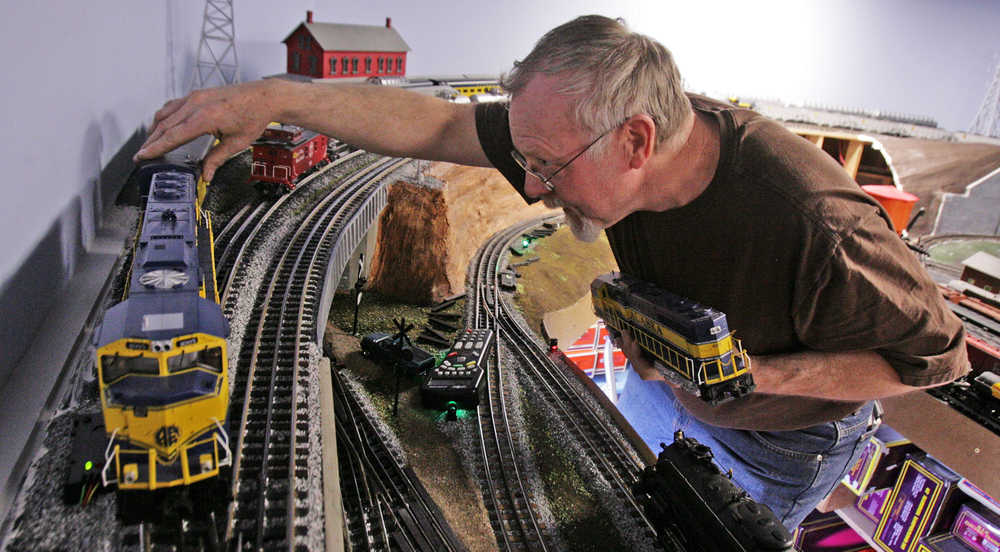
HO scale is the most popular scale in the world, offering an enormous variety of locomotives, track systems, buildings, and scenery. It strikes a balance between size and detail, allowing for realistic layouts even in moderate spaces. Its popularity makes it affordable and easy to find parts for. The smaller size, however, means that some details can be delicate, and hobbyists working in tight spaces may find it difficult to run long trains without the layout feeling cramped.
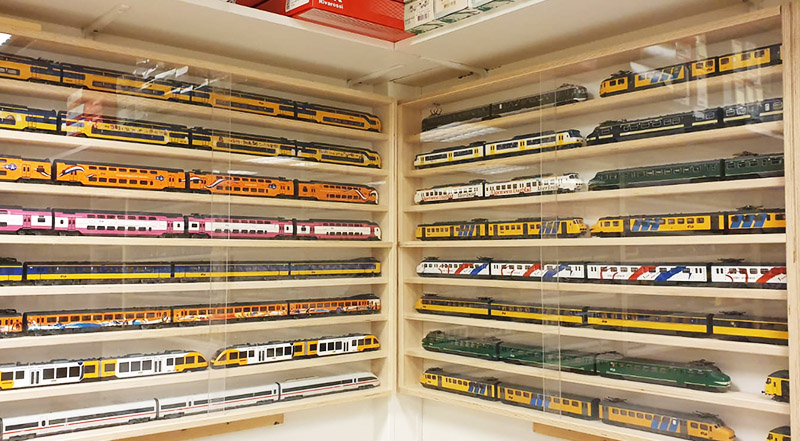
TT scale sits between HO and N, offering a compromise that balances detail, space efficiency, and ease of handling. It allows for longer trains and more scenery in a smaller footprint than HO while still being easier to work with than N scale. Although it has a growing fan base, especially in parts of Europe, its global availability is still limited, which can make finding locomotives, track, and accessories more challenging than with more popular scales.
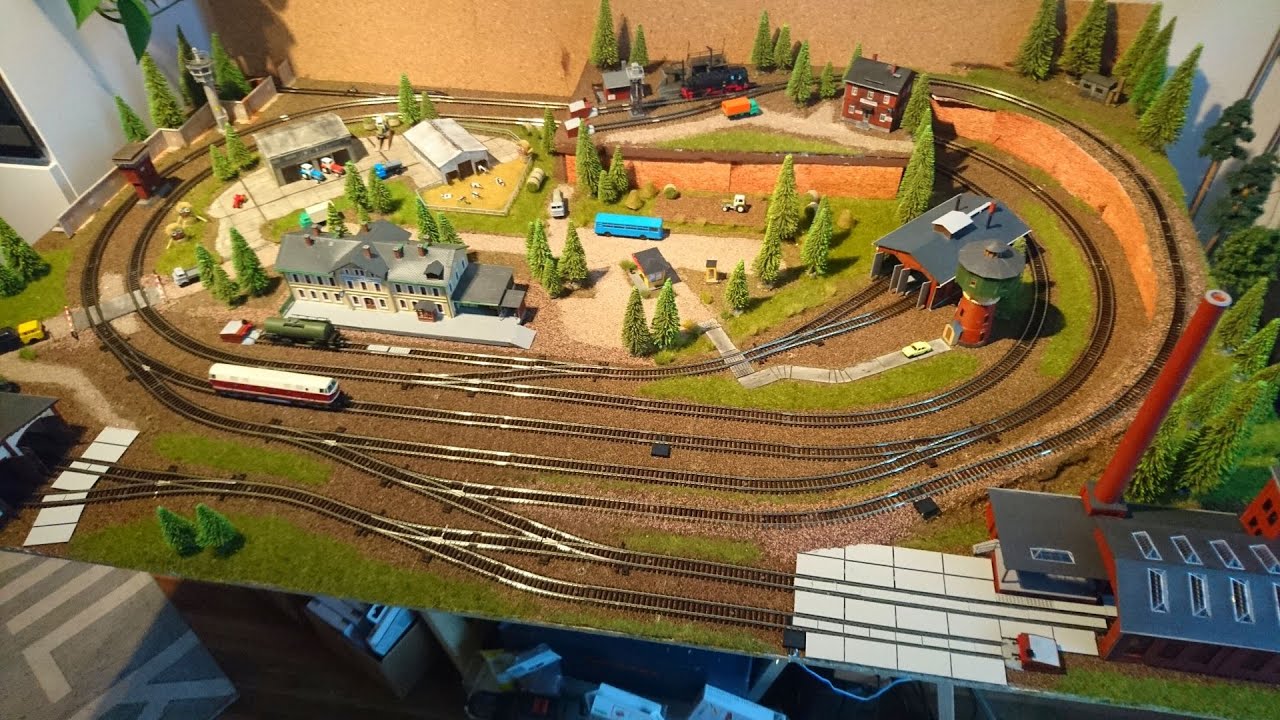
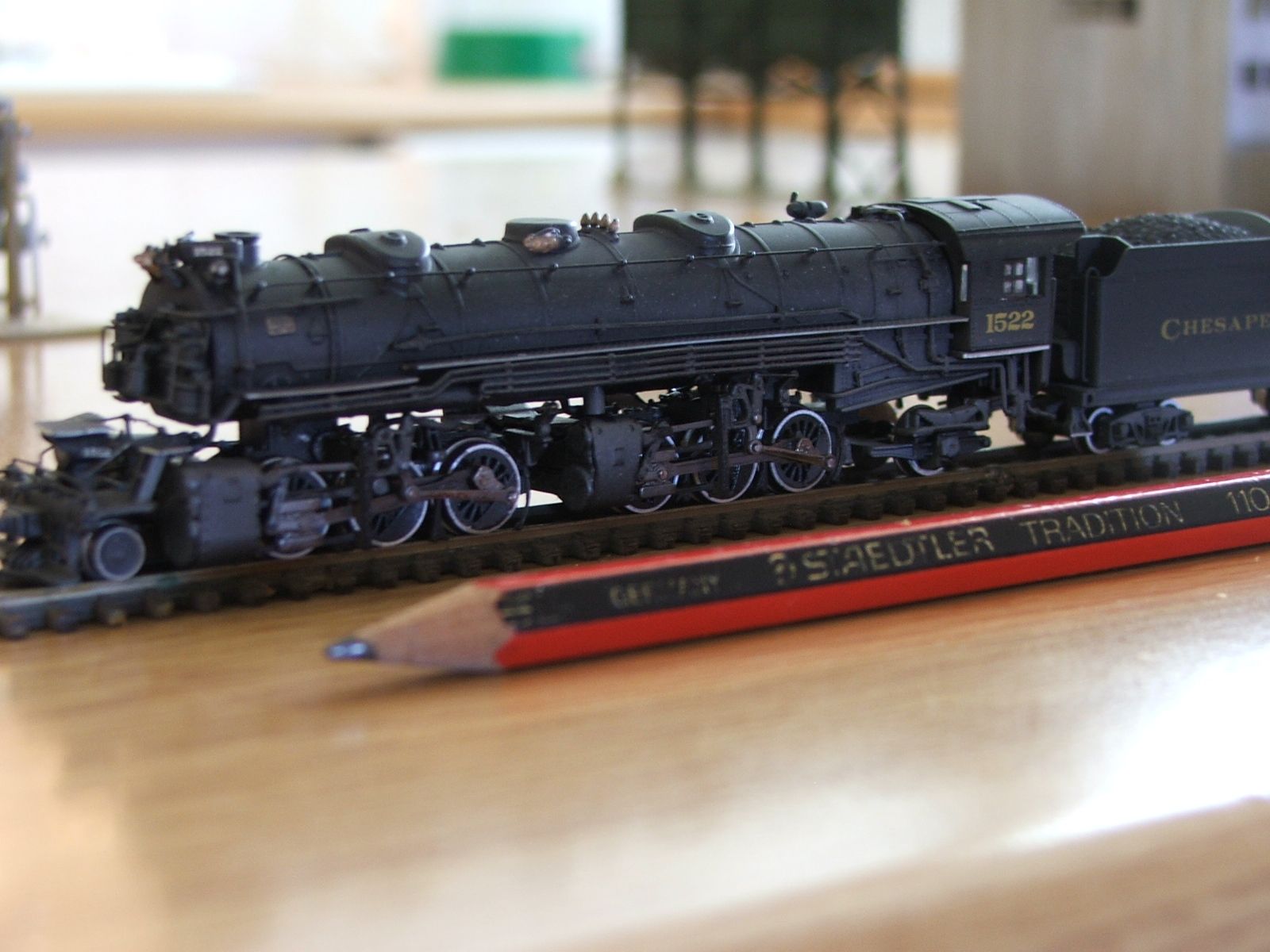
N scale is a favorite for hobbyists with limited space, as it allows large layouts, long trains, and expansive scenery even in small rooms. The selection of models is broad, and the scale offers a visually impressive sense of distance. However, the small size can make detailed work more difficult, especially for those with eyesight or dexterity issues, and some components may be more fragile compared to larger scales.
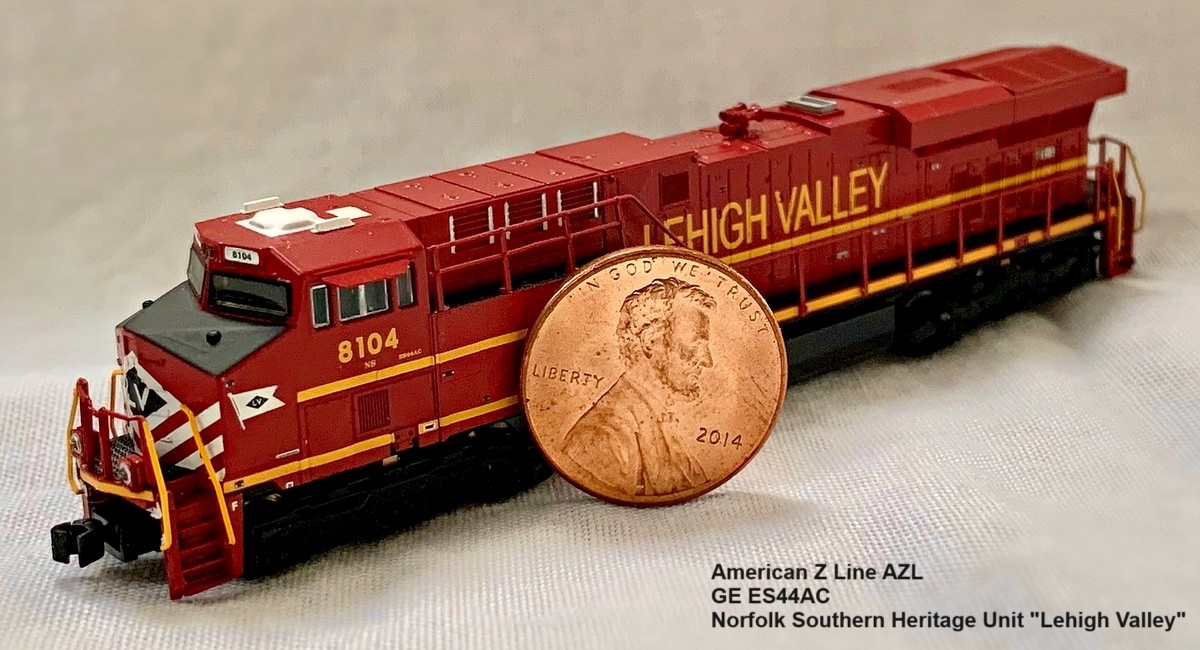
Z scale is incredibly compact, making it possible to build a fully functional layout on a bookshelf or desktop. Its tiny size offers a unique charm and a distinctive technical challenge, and it is popular among collectors and micro-layout enthusiasts. At the same time, the models are delicate and can be more expensive relative to their size, and the range of available products is smaller than that of larger scales.
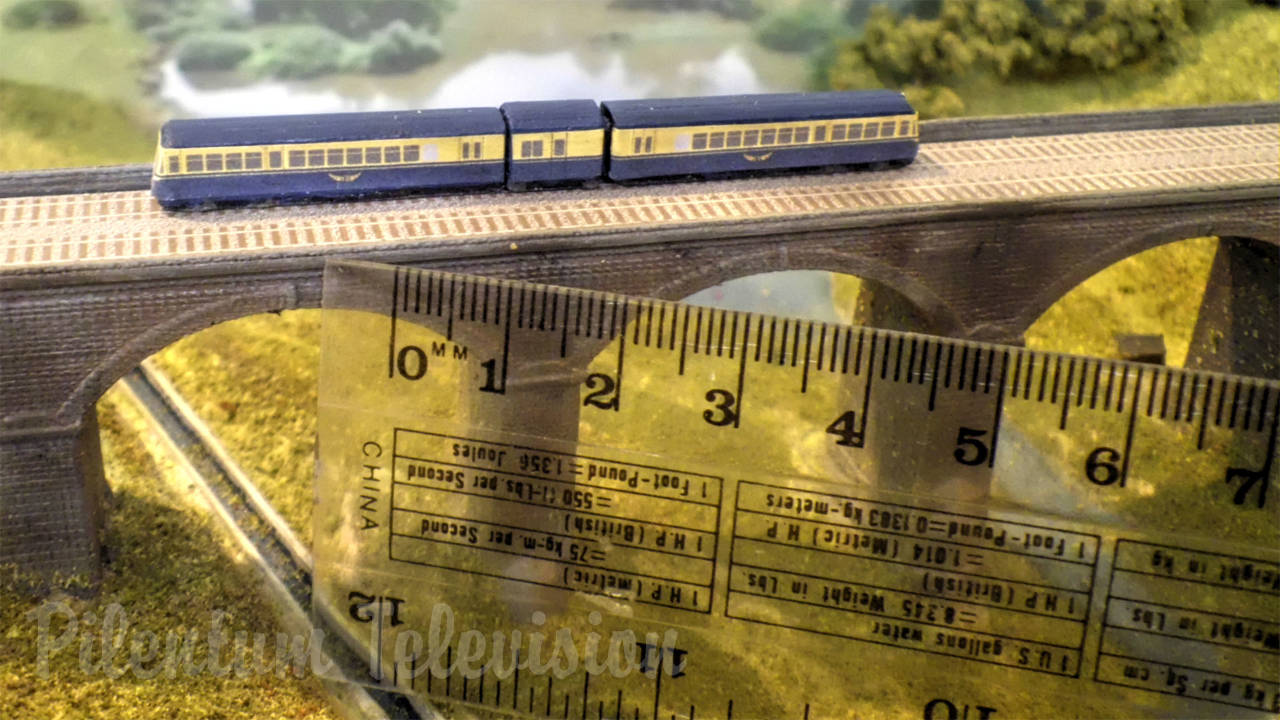
T scale is one of the smallest commercially available model railway scales, allowing entire layouts to fit inside shoeboxes or small display cases. Its miniature appearance is visually striking and appeals to collectors and hobbyists who enjoy working at extremely small scales. The downside is that the product range is very limited, and the tiny components can be extremely challenging to work with, making maintenance and customization difficult.
In the end, selecting the right scale is about matching the models to your space, interests, and budget. Each scale offers a distinct experience, whether it is the bold presence of large outdoor trains or the compact magic of miniature layouts. No matter which size you choose, model railroading remains a creative and rewarding hobby that allows you to bring worlds of your own design to life.